Raise the Roost Kiosk
The previous designer left mid-project. The team needed a full kiosk ordering experience, fast. I came in to finish it.
The situation
A restaurant chain needed a self-service kiosk interface. The timeline was tight and the design seat was empty. I came in to get it done.
Mapping the journey
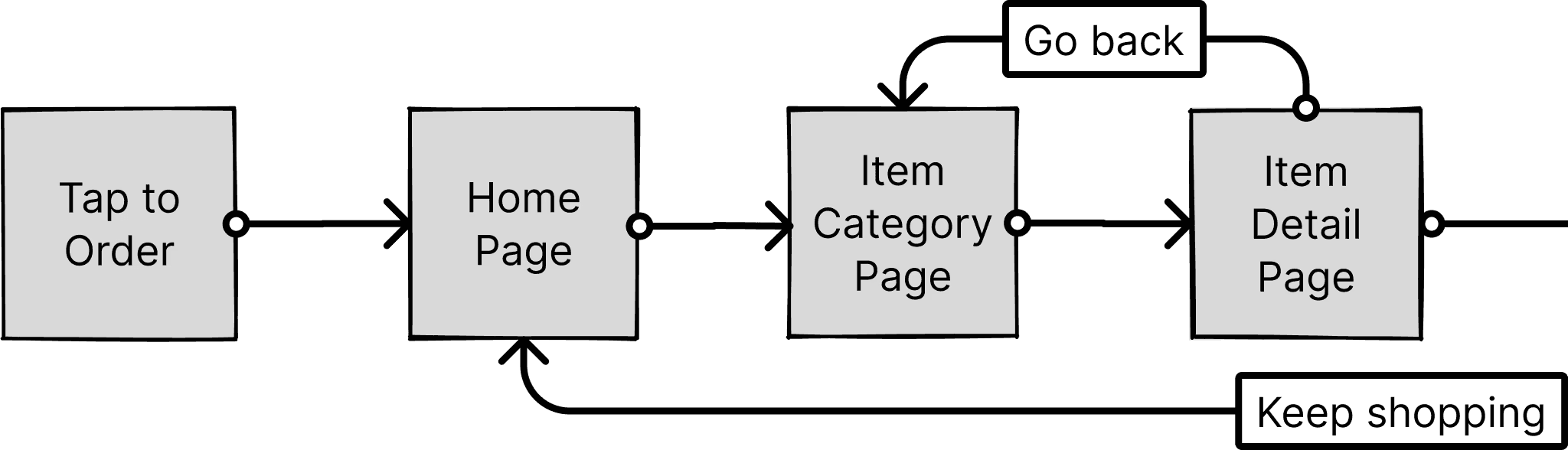
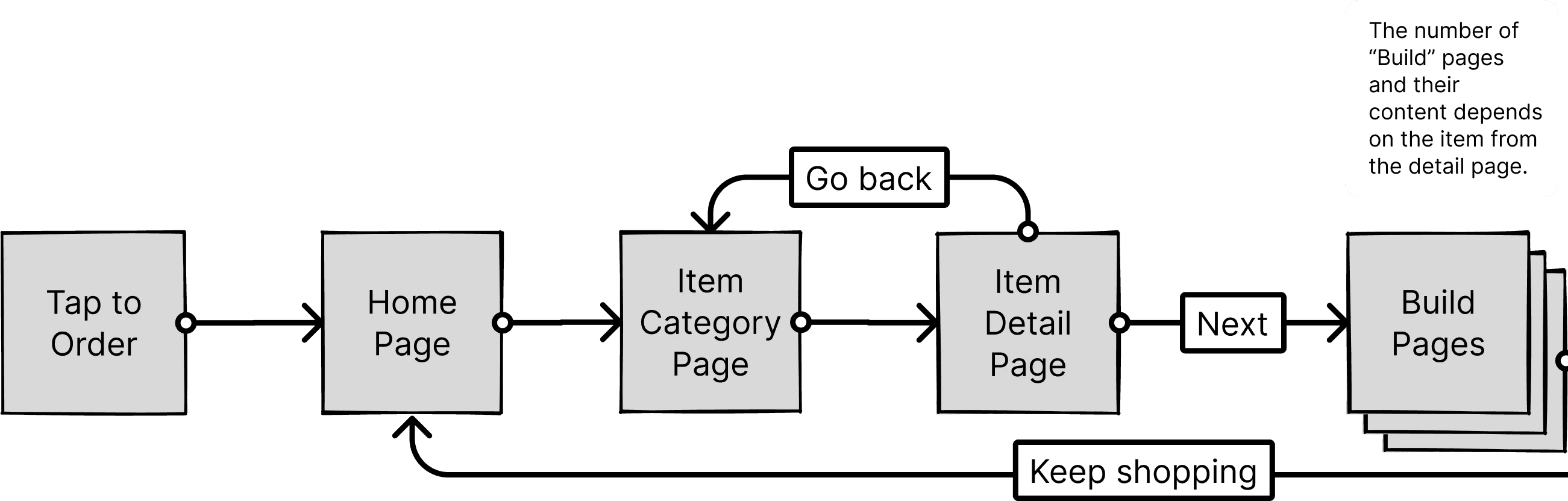
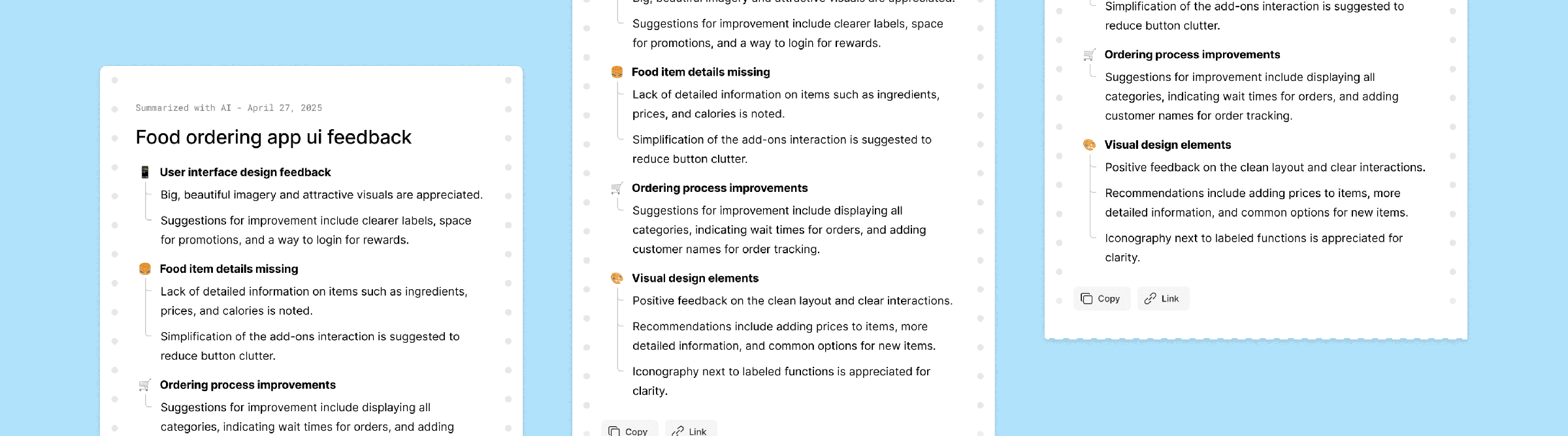
I mapped the full ordering flow first: standard menu orders and custom meal builds. Getting the flows on paper early exposed the friction points before any screens existed.
The competition
We ran a workshop on the competitive landscape: what exists, what works, what does not. The findings became the plan for the best MVP the timeline allowed.
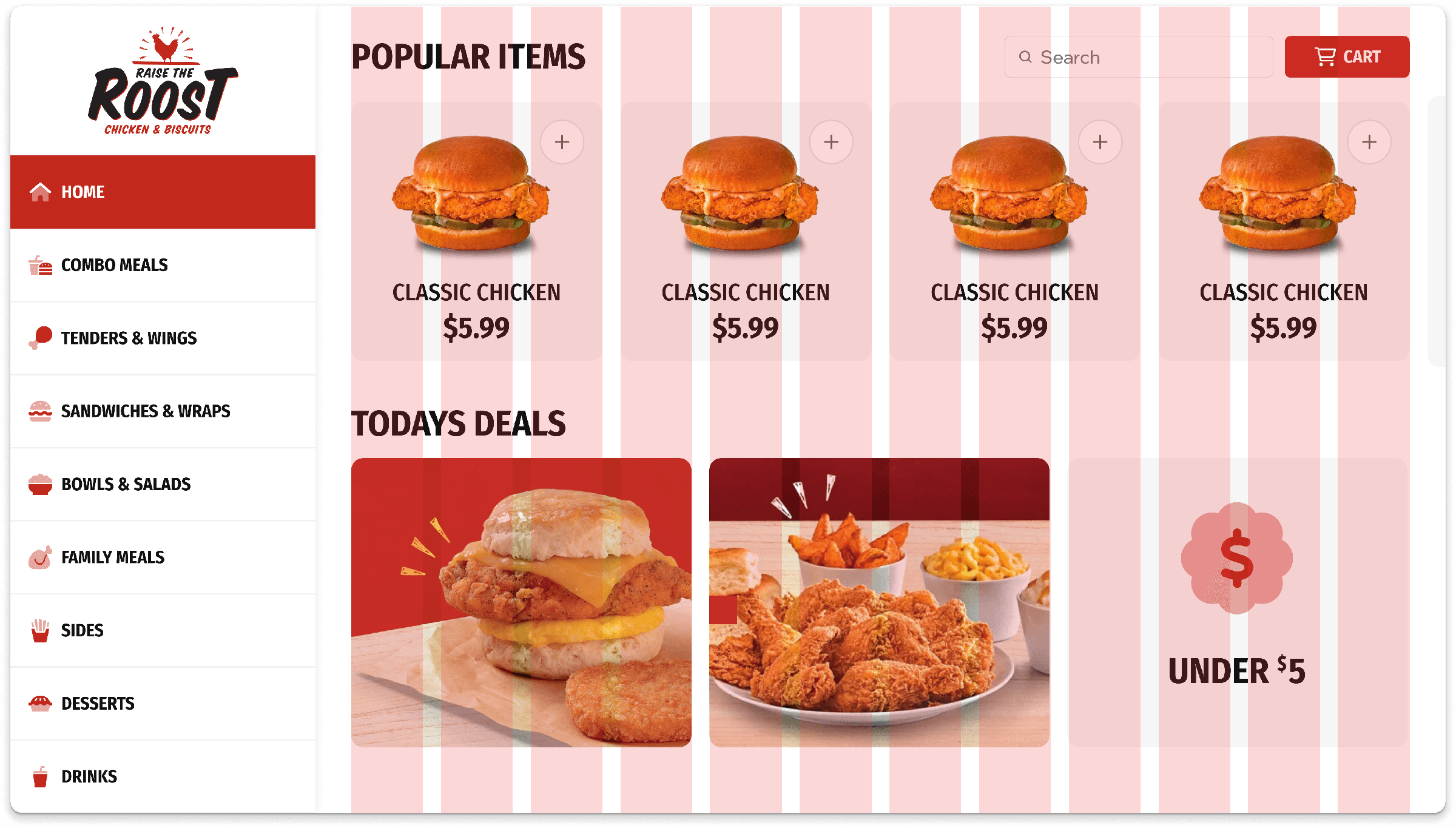
Grid first
I think in systems, so I started with the grid. A flexible layout for the home screen that handles any number of promos and resizes components dynamically. Marketing can add seasonal promotions without a redesign.
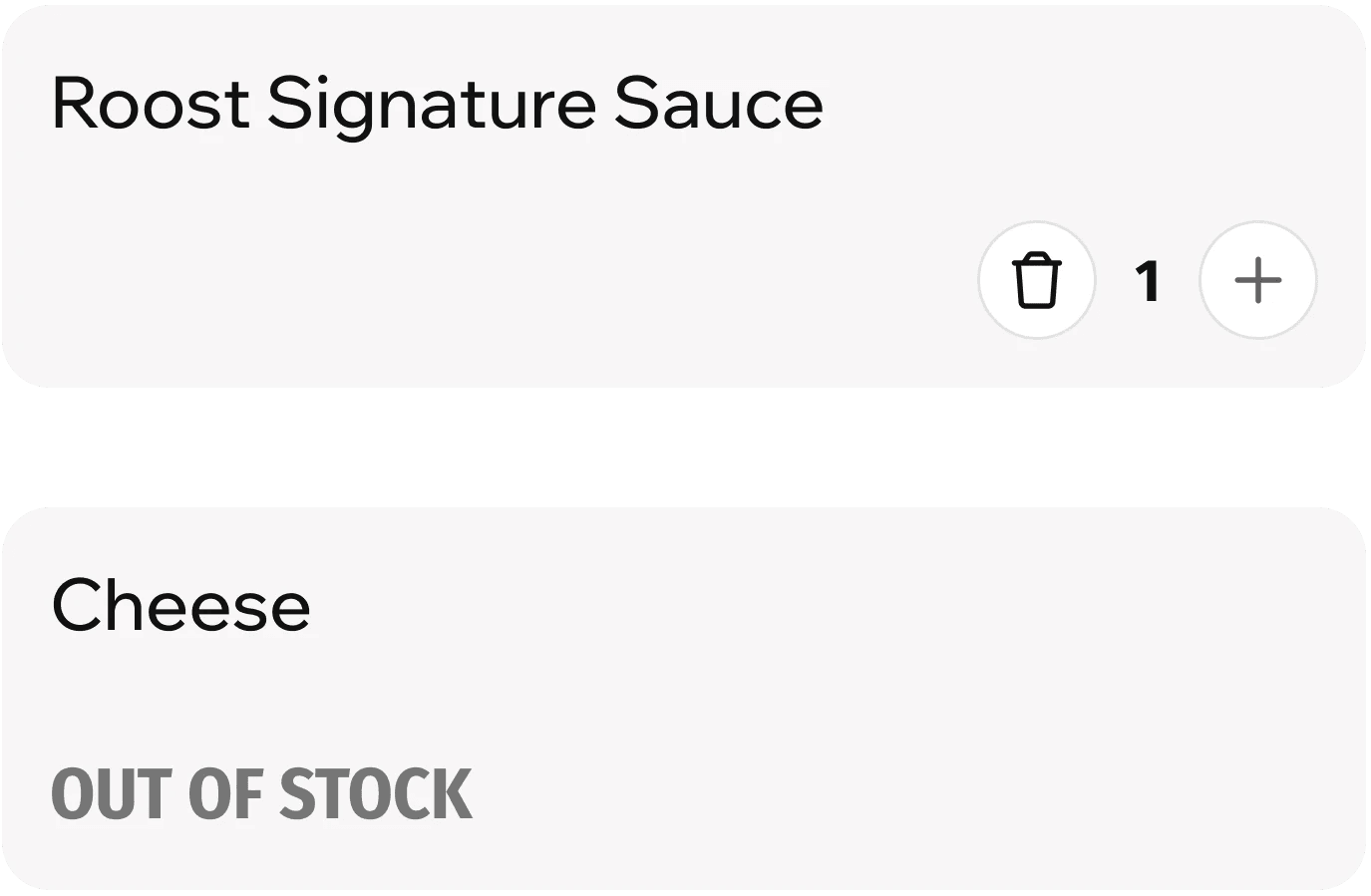
No one-off components
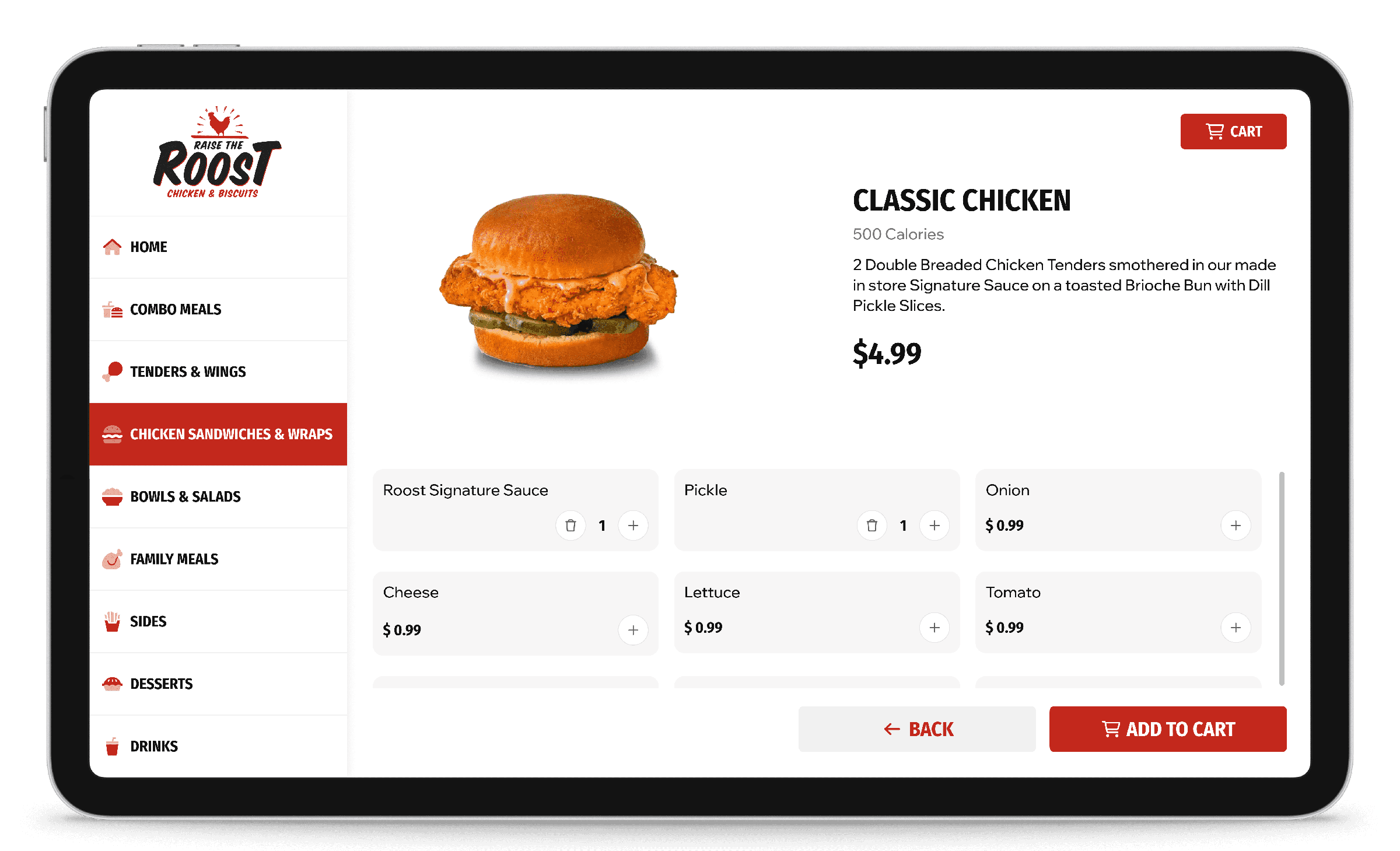
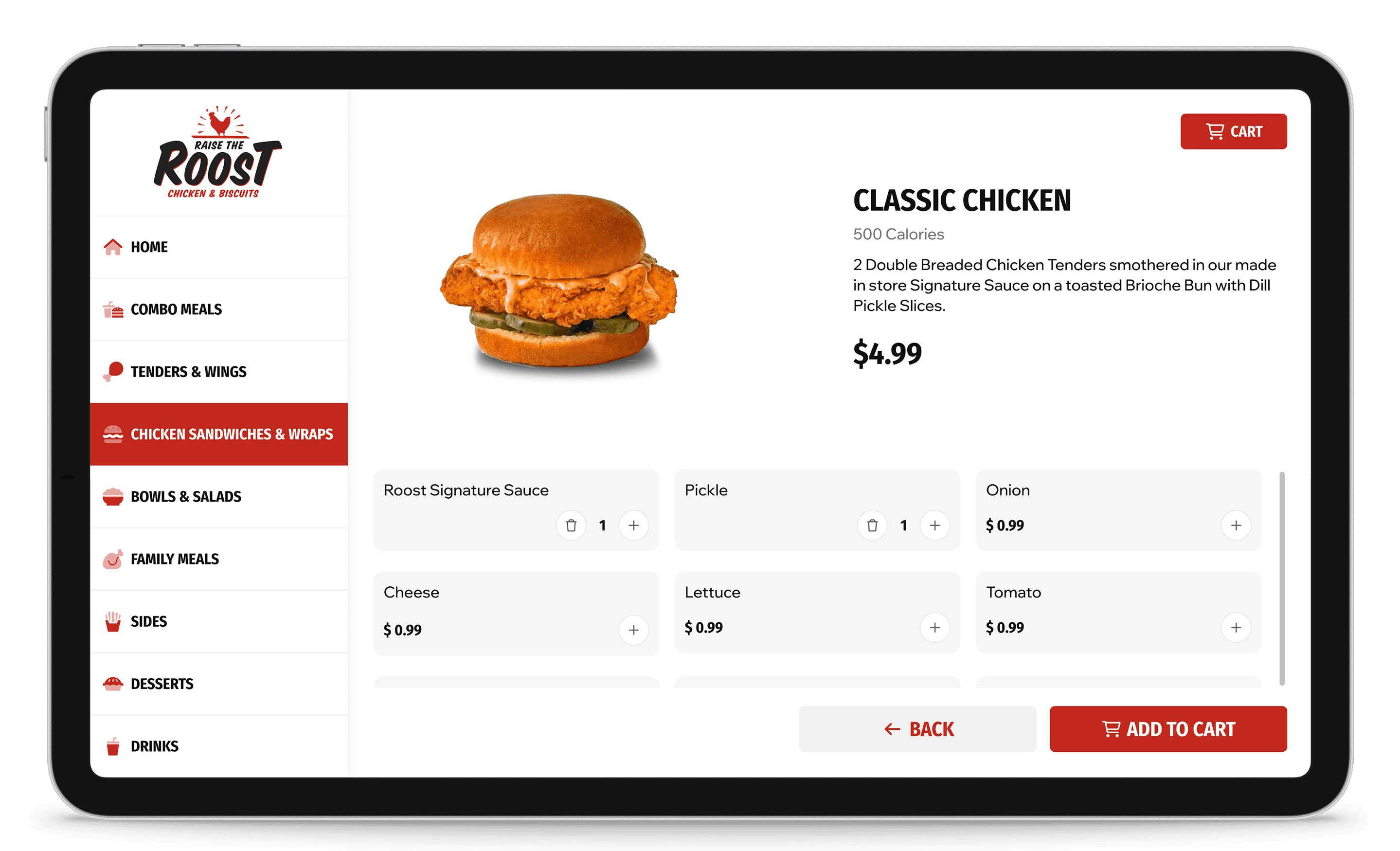
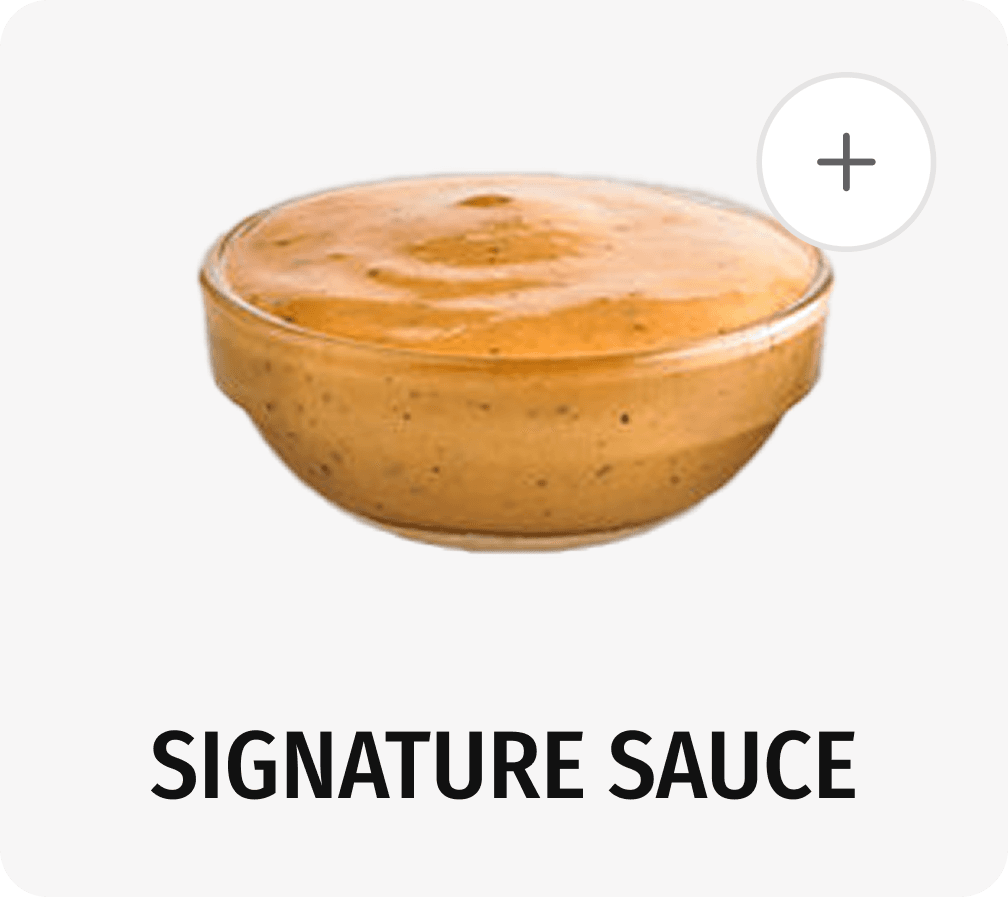
Product detail and listing pages were built on the Slurpee Design System. New food-ordering components, like customization panels for toppings, were designed as reusable library additions. I reused core components like steppers instead of building one-offs. The result: no orphan components, a smooth handoff, and fewer blockers for engineering.
Results
We shipped on time. In-store orders rose 49 percent. Early data showed faster order completion and higher add-on sales from promo placement. The new design team inherited a system they could maintain and extend.
What I took from it
Under a tight deadline, the systems approach is not slower. It is faster. Reuse the library. Build flexibility in early. Document everything so the next designer is not starting blind.